
Importance of Lifestyle Changes Post-HCG Diet
Transitioning to a sustainable lifestyle after completing the HCG diet is crucial for maintaining long-term weight loss results. Lifestyle changes play a significant role in ensuring that the weight you have lost is kept off for good.
Examples of Lifestyle Modifications for Weight Loss Maintenance
- Regular Exercise: Incorporating physical activity into your daily routine helps boost metabolism and burn excess calories. Aim for at least 150 minutes of moderate-intensity exercise per week.
- Healthy Eating Habits: Focus on consuming whole foods, plenty of fruits and vegetables, lean proteins, and whole grains. Avoid processed foods high in sugar and unhealthy fats.
- Mindful Eating: Pay attention to your hunger cues, eat slowly, and savor each bite. Avoid distractions while eating, such as watching TV or using your phone.
- Maintain Hydration: Drink an adequate amount of water throughout the day to stay hydrated and support your body's natural functions. Water can also help you feel full and prevent overeating.
- Stress Management: Implement stress-reducing techniques like meditation, yoga, deep breathing exercises, or hobbies to prevent emotional eating and promote overall well-being.
Establishing a Balanced Diet
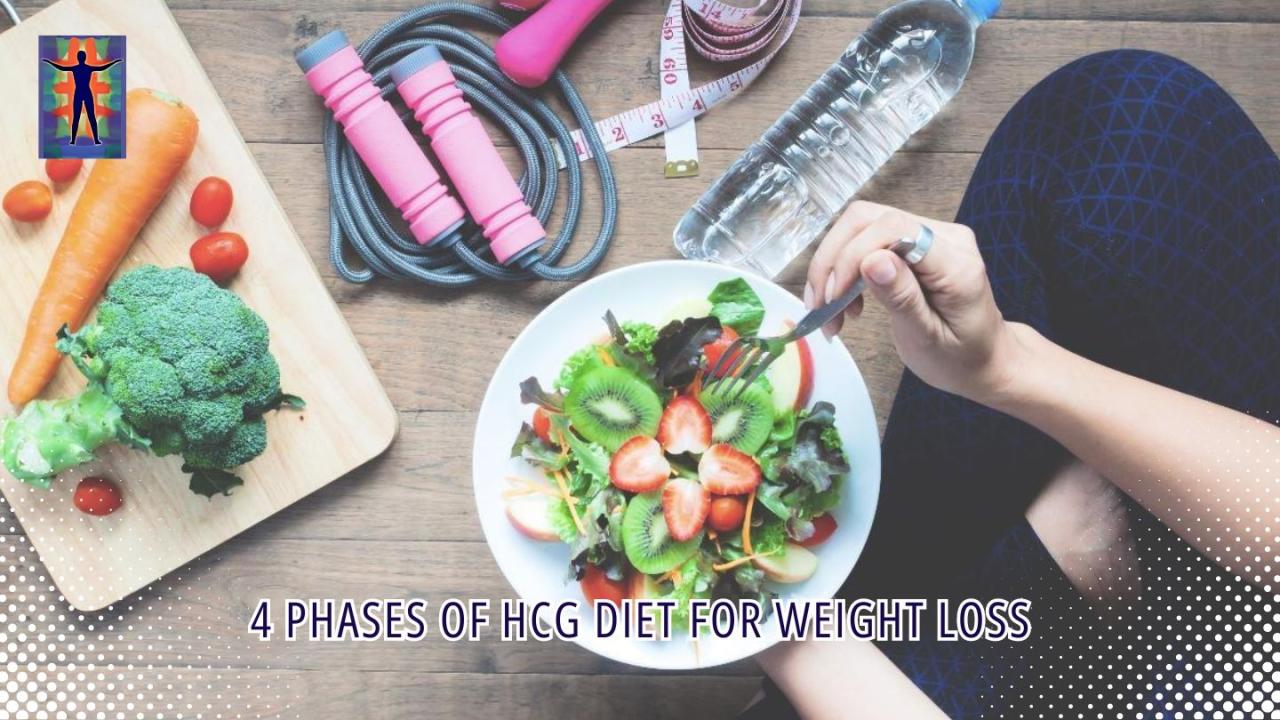
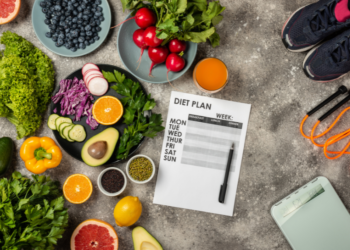
Maintaining a balanced diet is crucial for sustaining weight loss after completing your HCG diet plan. A balanced diet provides the necessary nutrients for your body to function optimally while preventing weight regain.
The Role of Macronutrients
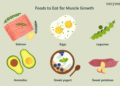
- Protein: Include lean sources of protein such as chicken, fish, tofu, and legumes in your meals. Protein helps maintain muscle mass and keeps you feeling full longer.
- Carbohydrates: Opt for complex carbohydrates like whole grains, fruits, and vegetables. These provide sustained energy and essential nutrients.
- Fats: Choose healthy fats like avocados, nuts, and olive oil. These fats are important for hormone regulation and overall health.
Meal Ideas for a Balanced Diet
- Grilled salmon with quinoa and roasted vegetables
- Spinach and feta omelette with a side of whole grain toast
- Chicken stir-fry with brown rice and mixed vegetables
- Greek yogurt parfait with berries and granola
Regular Exercise Routine
Regular exercise is crucial in maintaining weight loss after completing the HCG diet plan. Not only does it help in burning calories and maintaining muscle mass, but it also boosts metabolism, improves overall health, and enhances mood. Incorporating an exercise routine post-HCG diet can significantly increase the chances of long-term success in weight management.
Types of Exercises for Weight Management
- Cardiovascular exercises such as running, cycling, swimming, or dancing can help in burning calories and improving heart health.
- Strength training exercises like weightlifting or bodyweight exercises can help build muscle mass, increase metabolism, and improve overall strength.
- Flexibility exercises such as yoga or Pilates can help in improving flexibility, reducing stress, and enhancing overall well-being.
Tips to Stay Motivated for Regular Exercise
- Set realistic goals and track your progress to stay motivated and focused on your fitness journey.
- Find a workout buddy or join group fitness classes to make exercise more enjoyable and hold yourself accountable.
- Mix up your routine by trying different types of exercises to prevent boredom and challenge your body in new ways.
- Reward yourself for achieving milestones or sticking to your exercise routine to stay motivated and incentivize your efforts.
Monitoring Progress and Setting Realistic Goals

After completing your HCG diet plan, it is crucial to continue monitoring your progress and setting realistic goals to maintain your weight loss achievements. Tracking your journey can help you stay accountable and motivated, while setting achievable goals ensures long-term success.
Importance of Tracking Progress
Monitoring your progress allows you to see how far you've come and identify areas where you may need to make adjustments. It provides valuable feedback on your habits and helps you stay focused on your weight maintenance goals.
Setting Achievable Goals
- Set specific and measurable goals, such as losing a certain amount of weight per month or fitting into a specific clothing size.
- Break down your long-term goals into smaller milestones to celebrate your progress along the way.
- Be realistic about what you can achieve and avoid setting unrealistic expectations that may lead to frustration.
- Adjust your goals as needed based on your progress and any changes in your lifestyle or circumstances.
Tools for Monitoring Weight and Health Metrics
Using a digital scale to track your weight regularly can help you stay on top of any fluctuations and make timely adjustments to your diet and exercise routine.
- Keep a food journal to monitor your daily calorie intake and ensure you are maintaining a balanced diet.
- Use fitness apps or wearable devices to track your physical activity levels and set daily or weekly fitness goals.
- Consider scheduling regular check-ups with your healthcare provider to assess your overall health and make any necessary changes to your weight maintenance plan.
Managing Emotional Eating and Stress
Emotional eating and stress can be significant factors that impact weight maintenance after finishing your HCG diet plan. Learning to manage these aspects is crucial for long-term success in sustaining weight loss.
Strategies to Cope with Emotional Eating Triggers
- Acknowledge your emotions: Recognize when you are eating in response to emotions rather than hunger.
- Find alternative coping mechanisms: Engage in activities like exercise, meditation, or talking to a friend instead of turning to food.
- Keep a food journal: Track your emotions and food intake to identify patterns and triggers.
The Impact of Stress on Weight Maintenance
Stress can lead to emotional eating, hormonal imbalances, and poor food choices, which can hinder weight maintenance efforts. It is essential to address stress to prevent it from derailing your progress.
Ways to Manage Stress
- Practice relaxation techniques: Incorporate activities like deep breathing, yoga, or mindfulness meditation into your daily routine.
- Stay active: Regular exercise can help reduce stress levels and improve overall well-being.
- Prioritize self-care: Take time for yourself, engage in hobbies, and ensure you get enough rest and sleep.
Mindfulness Techniques for Overcoming Emotional Eating Habits
- Eat mindfully: Pay attention to the flavors, textures, and sensations of your food to prevent mindless eating.
- Practice self-compassion: Be kind to yourself and avoid self-criticism, especially after slip-ups or indulgences.
- Seek support: Talk to a therapist or join a support group to address underlying emotional issues related to food.
Frequently Asked Questions
How can I prevent weight regain after completing the HCG diet?
Focus on incorporating sustainable lifestyle changes, maintaining a balanced diet, and staying active to prevent weight regain.
What role do macronutrients play in sustaining weight loss post-HCG diet?
Macronutrients like protein, carbohydrates, and fats are essential for providing energy and supporting overall health during weight maintenance.
How important is it to monitor progress and set realistic goals after the HCG diet?
Tracking your progress and setting achievable goals can help you stay motivated and on track with maintaining your weight loss.
What are effective strategies to manage emotional eating triggers post-HCG diet?
Engage in mindfulness techniques, seek support from loved ones, and find alternative ways to cope with emotions instead of turning to food.