
Understand Your Body Type

Understanding your body type is crucial when customizing your HCG diet plan to ensure optimal results. Different body types can have varying effects on weight loss and how the HCG diet plan works for each individual.
Body Types and Weight Loss
- Ectomorphs: Typically lean individuals with fast metabolisms, may struggle to build muscle but lose weight easily.
- Mesomorphs: Muscular and athletic build, tend to lose weight and gain muscle effectively.
- Endomorphs: Larger frame with higher body fat percentage, may find it challenging to lose weight but can build muscle easily.
Impact on HCG Diet Plan
- Body type can affect how quickly you lose weight on the HCG diet plan.
- Metabolism variations among body types can influence the rate of fat burning and muscle preservation during the diet.
- Customizing the diet based on body type helps optimize results and ensures the plan is tailored to your specific needs.
Importance of Customization
- Customizing the HCG diet plan based on body type can lead to more sustainable weight loss and better overall health outcomes.
- Personalizing the plan helps address individual challenges and goals, making it easier to stick to the program long-term.
- By understanding your body type and making adjustments to the diet plan, you can achieve your desired results more effectively.
Tailoring Your HCG Diet Plan
When customizing your HCG diet plan, it's essential to consider your body type to achieve optimal results. Here are some ways to tailor the program based on different body types:
Customizations Based on Body Types
- Ectomorphs: Individuals with a lean and slender build may need to increase their calorie intake to prevent muscle loss while on the HCG diet. Including more protein-rich foods can help maintain muscle mass.
- Mesomorphs: Those with a medium build may focus on balancing their macronutrients to support muscle growth and fat loss. Adjusting portion sizes and including a variety of fruits, vegetables, and lean proteins can be beneficial.
- Endomorphs: Individuals with a higher body fat percentage may benefit from reducing their calorie intake and increasing their activity levels. Limiting carbohydrates and incorporating more fiber-rich foods can aid in weight loss.
Adjusting Calorie Intake and Food Choices
Calorie intake and food choices play a crucial role in customizing the HCG diet plan for different body types. It's important to:
- Calculate the appropriate caloric intake based on your body type, weight loss goals, and activity level.
- Choose nutrient-dense foods that support your body type, such as lean proteins, vegetables, fruits, and whole grains.
- Monitor your progress and make adjustments as needed to ensure you are on track to meet your weight loss goals.
Role of Metabolism in Customizing the HCG Diet Plan
Metabolism plays a significant role in how your body processes calories and burns fat. When customizing your HCG diet plan, consider:
- Understanding your metabolic rate and how it influences weight loss and maintenance.
- Including metabolism-boosting foods such as green tea, chili peppers, and lean proteins to support fat burning.
- Staying hydrated and getting an adequate amount of sleep to optimize your metabolism and overall health.
Incorporating Exercise
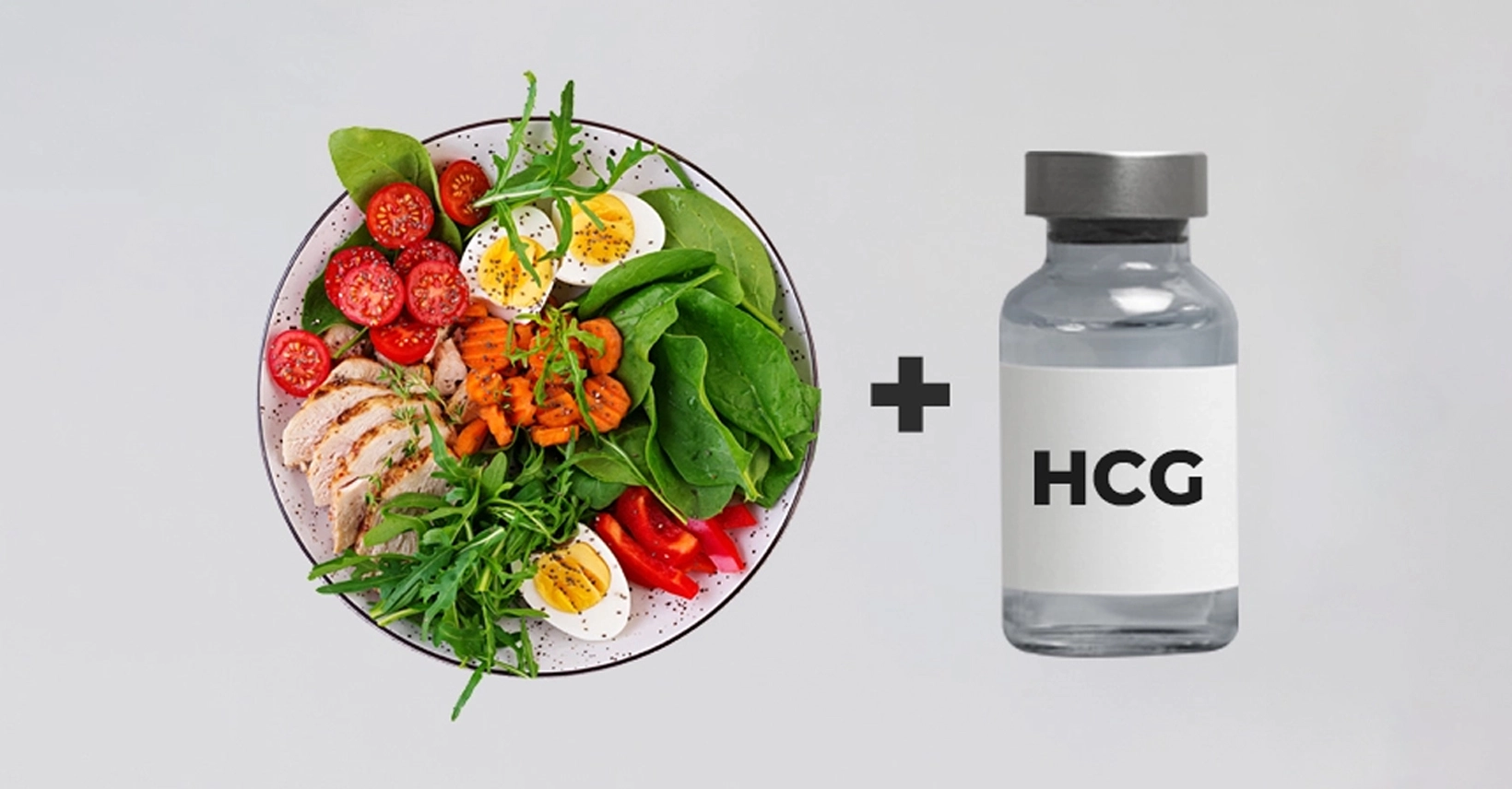
Exercise plays a crucial role in customizing your HCG diet plan as it helps boost metabolism, maintain muscle mass, and enhance overall well-being. Tailoring your exercise routine to complement the diet plan can maximize your results and improve your overall health.
Suitable Exercises for Different Body Types
- For Ectomorphs (Lean and Long): Focus on strength training to build muscle mass and increase metabolism. Incorporate compound movements like squats, deadlifts, and bench presses.
- For Mesomorphs (Muscular and Athletic): Include a mix of strength training and cardiovascular exercises like HIIT (High-Intensity Interval Training) to maintain muscle and burn fat effectively.
- For Endomorphs (Curvy and Round): Emphasize cardio exercises such as running, cycling, or swimming to help with fat loss. Incorporate strength training to build muscle and boost metabolism.
Tips to Tailor Exercise Routines
- Listen to Your Body: Pay attention to how your body responds to different types of exercises and adjust accordingly. Modify intensity and duration based on your energy levels and recovery.
- Set Realistic Goals: Establish achievable fitness goals that align with your body type and overall health objectives. Gradually progress your workout routine to challenge yourself without risking injury.
- Combine Cardio and Strength Training: Incorporate a balanced mix of cardiovascular exercises and strength training to optimize fat loss, muscle gain, and overall fitness.
- Stay Consistent: Consistency is key to seeing results. Schedule regular workout sessions and stick to your exercise routine to maximize the benefits of both diet and physical activity.
Tracking Progress and Adjustments
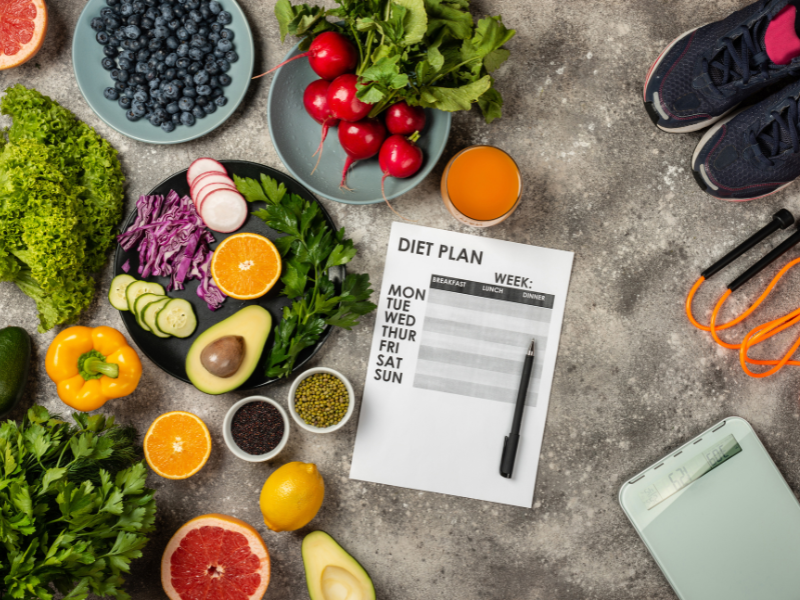
When following a customized HCG diet plan, it is essential to track your progress to ensure you are on the right path towards your weight loss goals. Monitoring your results allows you to make necessary adjustments to optimize the plan based on your body's response.
Methods for Tracking Progress
- Regular Weigh-Ins: Weigh yourself at the same time each day to monitor changes in your weight.
- Measurements: Keep track of inches lost around your waist, hips, thighs, and other areas to see changes in body composition.
- Food Journal: Maintain a detailed food diary to track your daily food intake and identify any patterns or areas for improvement.
When to Make Adjustments
- Plateauing: If you notice a stall in weight loss for more than a week, it may be time to adjust your calorie intake or exercise routine.
- Energy Levels: If you feel fatigued or have low energy, consider tweaking your meal plan to ensure you are getting enough nutrients.
- Consult with a Professional: If you are unsure about making adjustments, seek guidance from a healthcare provider or nutritionist.
Importance of Regular Monitoring
- Prevents Plateaus: Tracking your progress helps you identify plateaus early on and make changes to prevent stalling in weight loss.
- Customization: Regular monitoring allows you to tailor your HCG diet plan to suit your body's specific needs and responses.
- Motivation: Seeing tangible results through tracking progress can boost motivation and keep you focused on your weight loss journey.
Essential Questionnaire
What body types are there and how do they affect weight loss?
Body types like ectomorph, mesomorph, and endomorph can impact weight loss differently due to varying metabolism and body composition.
How can I adjust my calorie intake based on my body type?
For ectomorphs, higher calorie intake might be needed, while endomorphs may benefit from lower calories. Tailoring your diet to your body type is essential for optimal results.
Why is exercise important in customizing the HCG diet plan?
Exercise complements the diet by boosting metabolism and aiding in weight loss. Choosing exercises that suit your body type can enhance the effectiveness of the program.
How should I track progress on my customized HCG diet plan?
Tracking progress through measurements, weight scales, and keeping a food journal can help monitor changes and make necessary adjustments for better results.
When should adjustments be made to my customized HCG diet plan?
Adjustments should be made based on progress, such as weight loss plateaus or changes in metabolism. Regular monitoring and flexibility in the plan are key.