
Challenges Faced by Physician Families
Physicians who are also parents face a unique set of challenges when it comes to balancing their careers in medicine with their responsibilities towards their families. The demanding nature of the medical profession often creates obstacles that can strain family dynamics and take a toll on both the physician and their loved ones.
Impact of Demanding Schedules
Physicians often have to work long and irregular hours, including night shifts, weekends, and holidays. These demanding schedules can make it difficult for physicians to be present for important family events or to spend quality time with their children. This lack of time spent together can lead to feelings of disconnect and strain in the family unit.
Sacrifices Made by Physician Parents
In order to meet the demands of their medical careers, physician parents may have to make significant sacrifices in their personal lives. This could include missing important milestones in their children's lives, being unable to attend school events or extracurricular activities, or having to rely on other family members or childcare providers to fill in the gaps.
Emotional Toll of Juggling Career and Family Responsibilities
Balancing the demands of a medical career with the responsibilities of parenting can take a significant emotional toll on physician families. The constant juggling act of trying to excel in both areas can lead to feelings of guilt, stress, and burnout.
Physicians may struggle with feelings of inadequacy or fear of not being able to meet the expectations of their profession or their family.
Flexible Work Arrangements for Physicians
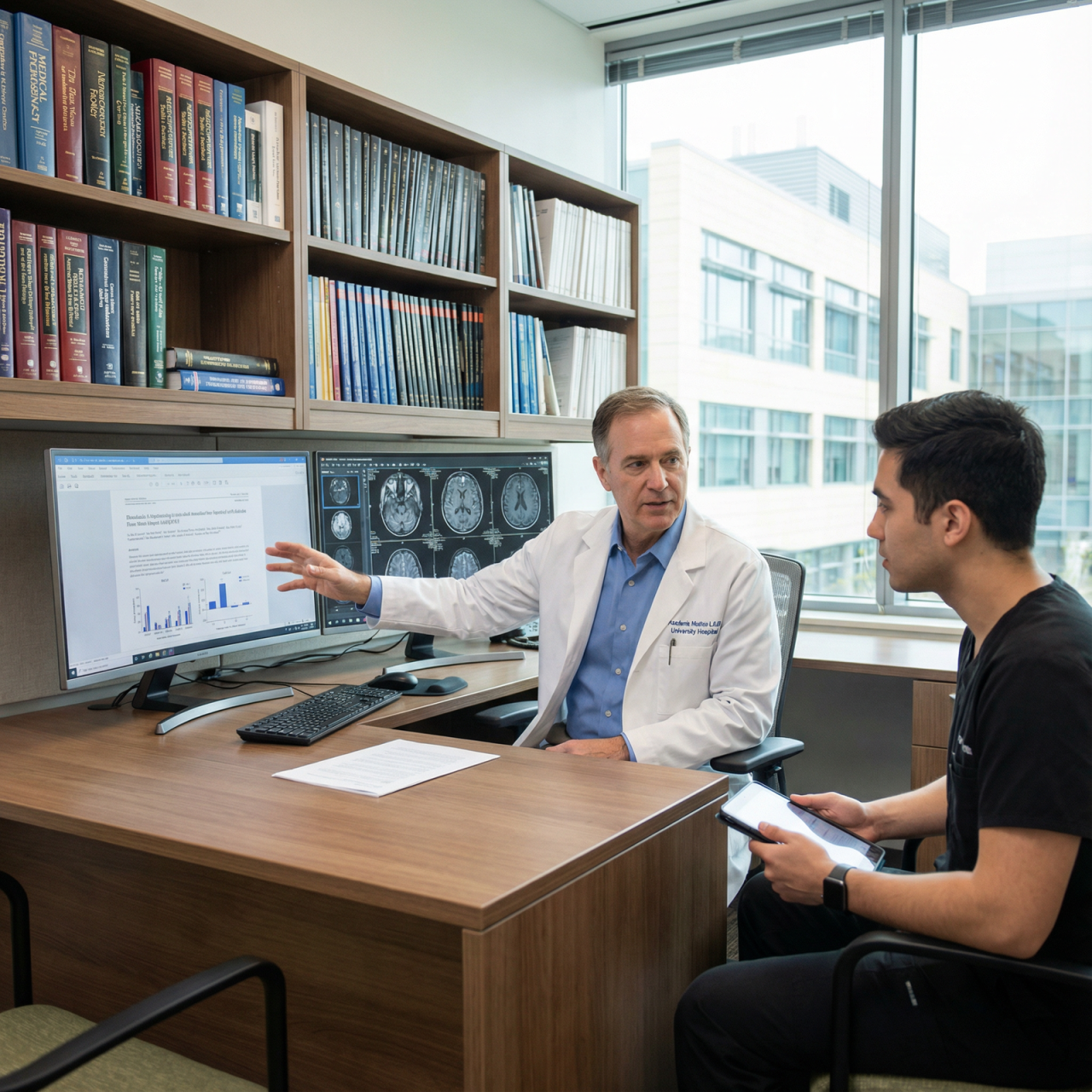
Physicians today have a variety of flexible work options available to them, allowing for a better balance between their professional and personal lives.
Part-time vs. Full-time Positions
When it comes to work-life balance, the choice between part-time and full-time positions can make a significant difference for physicians. Part-time positions offer more flexibility in scheduling, allowing for more time with family and personal pursuits. On the other hand, full-time positions may provide more stability and financial security.
It ultimately comes down to individual preferences and priorities.
Job-sharing Arrangements
Job-sharing is a unique flexible work arrangement where two or more physicians share the responsibilities of a full-time position. This allows for a more manageable workload, increased flexibility in scheduling, and the ability to support one another in patient care.
Job-sharing arrangements can be particularly beneficial for physicians with family obligations or those looking to reduce their overall work hours.
Telemedicine Impact
The rise of telemedicine has revolutionized the flexibility of physician jobs. With telemedicine, physicians can provide care remotely, eliminating the need for a physical office presence. This flexibility allows physicians to work from anywhere, at any time, making it easier to balance work and family responsibilities.
Telemedicine has opened up new opportunities for physicians to create their own schedules and tailor their work hours to suit their individual needs.
Support Systems for Physician Families
Physician families often face unique challenges when it comes to maintaining work-life balance. In order to navigate these challenges effectively, it is essential for them to have access to various support systems that can provide assistance and guidance.
Resources for Work-Life Balance
- Family support groups: Connecting with other physician families facing similar struggles can offer a sense of community and understanding.
- Employee assistance programs: Many healthcare organizations provide resources for counseling, stress management, and childcare services.
- Online forums and networks: Virtual platforms can be valuable for sharing experiences, seeking advice, and finding solutions to common issues.
Role of Mentorship
- Mentorship programs: Pairing physicians with experienced mentors can provide guidance on career advancement, work-life balance strategies, and personal development.
- Peer support: Establishing relationships with colleagues who can offer advice and empathy can be invaluable in times of need.
Building a Support Network
- Joining professional organizations: Participating in medical societies and associations can help physicians connect with peers and access resources for personal and professional growth.
- Forming local support groups: Creating a network of physician families in the community can foster friendships, collaboration, and mutual assistance.
Importance of Self-Care
- Setting boundaries: Establishing clear boundaries between work and personal life is essential for preventing burnout and maintaining well-being.
- Practicing self-care activities: Engaging in activities that promote relaxation, such as exercise, meditation, and hobbies, can help reduce stress and improve mental health.
- Seeking professional help: Knowing when to seek help from mental health professionals is crucial for addressing any underlying issues and ensuring overall well-being.
Future Trends in Flexible Physician Jobs

The landscape of flexible physician jobs is constantly evolving with advancements in technology and changing demands in the healthcare industry. Let's delve into the future trends shaping the way physicians work.
Advancements in Technology and Flexible Work
With the rise of telemedicine and remote patient monitoring, technology is enabling physicians to work from anywhere, at any time. This flexibility allows for better work-life balance and the potential to reach more patients efficiently.
Impact of AI and Automation on Physician Work Schedules
AI and automation are revolutionizing the healthcare sector by streamlining administrative tasks, optimizing workflows, and improving patient care. This shift can potentially free up physicians' time, allowing them to focus more on direct patient care and enhancing work flexibility.
Emerging Trends in Work Flexibility by Medical Specialties
Different medical specialties have diverse needs when it comes to flexible work arrangements. For example, primary care physicians may benefit from telemedicine options, while surgeons may require more on-site presence. Understanding these specific needs will shape the future of flexible work arrangements within each specialty.
Evolution of Demand for Flexible Work Arrangements in Medicine
As the younger generation of physicians seeks better work-life balance and flexibility, the demand for flexible work arrangements is expected to grow. Healthcare organizations will need to adapt to these changing expectations to attract and retain top talent in the medical field.
FAQ Overview
What are some common obstacles faced by physicians balancing family and medicine?
Physicians often struggle with demanding schedules, emotional toll of juggling career and family responsibilities, and making sacrifices to meet work obligations.
What are some examples of flexible work options available for physicians?
Physicians can opt for part-time positions, job-sharing arrangements, and telemedicine opportunities to achieve a better work-life balance.
How can physician families build a strong support network within the medical community?
Physician families can engage in mentorship programs, seek resources for work-life balance, and prioritize self-care to navigate the challenges effectively.
What future trends are expected in flexible physician jobs?
Advancements in technology, potential impact of AI and automation, and emerging trends in work flexibility within different medical specialties are shaping the future landscape of flexible physician jobs.