
Introduction
The HCG diet plan is a weight loss program that involves a low-calorie diet combined with hormone injections. It is designed to help individuals lose weight rapidly by targeting stored fat for energy.
Building muscle refers to the process of increasing muscle mass through resistance training and proper nutrition. This is usually achieved by consuming enough protein, calories, and engaging in strength training exercises.
Potential Challenges of Building Muscle on a Restricted Diet
- Caloric Deficit: A restricted diet on the HCG plan may not provide enough calories to support muscle growth, as a surplus is typically needed for this process.
- Protein Intake: Muscle building requires adequate protein intake, which may be challenging to achieve on a low-calorie diet like the HCG plan.
- Energy Levels: Limited energy from a restricted diet can impact workout performance and recovery, hindering muscle growth.
- Nutrient Deficiencies: The restricted food choices on the HCG plan may lead to nutrient deficiencies that are essential for muscle building and overall health.
- Loss of Muscle Mass: In some cases, the low-calorie nature of the HCG plan may cause muscle loss instead of muscle gain, especially without sufficient protein intake.
Nutritional Considerations
Building muscle on an HCG diet plan requires careful attention to essential nutrients to support muscle growth. The HCG diet is known for its low-calorie restrictions, which can impact the intake of key nutrients necessary for building and maintaining muscle mass.
Key Nutrients Essential for Muscle Building
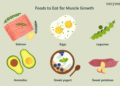
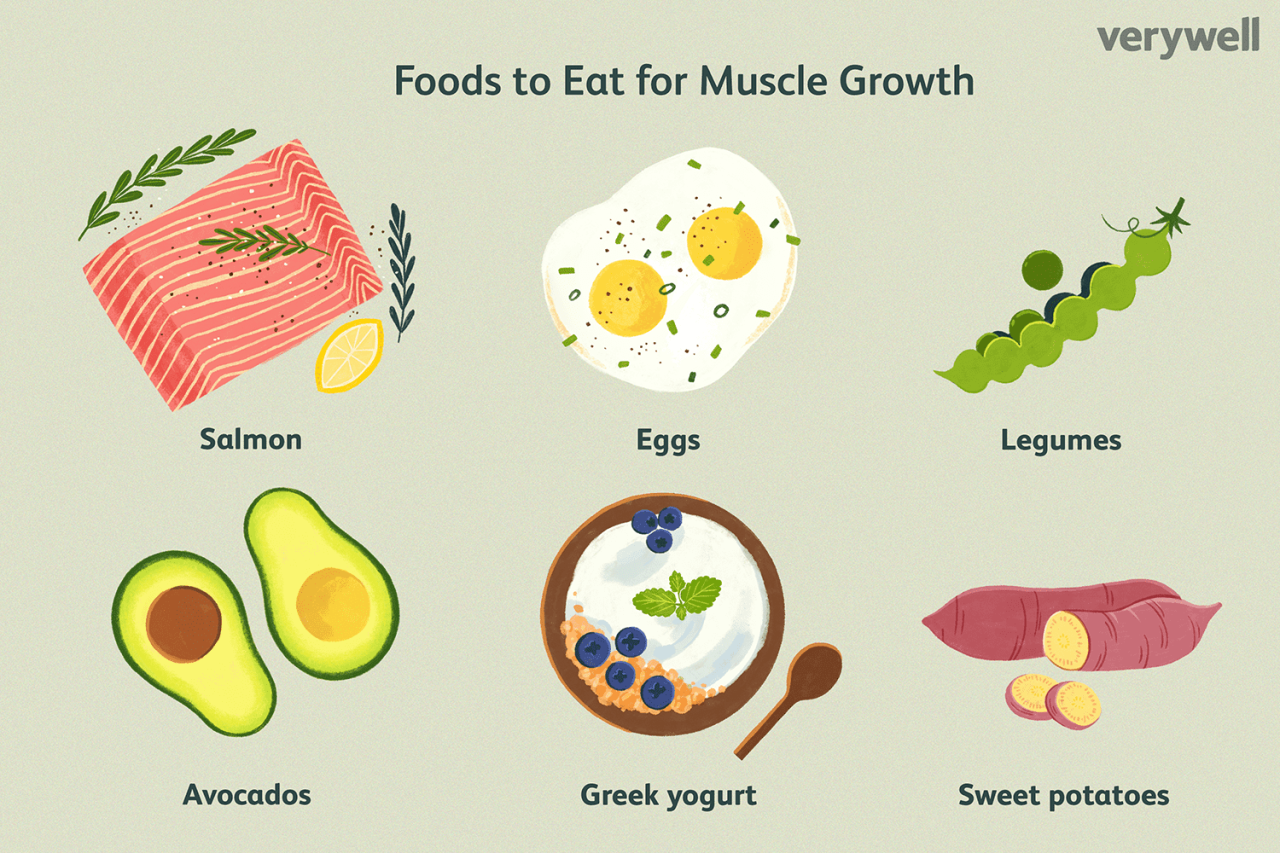
- Protein: Protein is crucial for muscle repair and growth. Include lean sources of protein such as chicken, fish, tofu, and legumes in your meals.
- Carbohydrates: Carbs provide energy for workouts and help replenish glycogen stores. Opt for complex carbs like whole grains, fruits, and vegetables.
- Fats: Healthy fats support hormone production and overall health. Include sources like avocado, nuts, seeds, and olive oil in your diet.
- Vitamins and Minerals: Micronutrients like vitamin D, calcium, magnesium, and iron play a vital role in muscle function and recovery. Incorporate a variety of fruits, vegetables, and supplements if needed.
Impact of HCG Diet Plan on Nutrient Intake
The HCG diet plan's low-calorie nature can lead to a reduced intake of essential nutrients, potentially affecting muscle-building efforts. It is essential to pay attention to nutrient-dense foods to avoid deficiencies while on the diet.
Strategies to Ensure Adequate Nutrition for Muscle Growth
- Choose nutrient-dense foods: Prioritize whole, unprocessed foods to ensure you are getting a variety of essential nutrients.
- Supplement wisely: Consider adding protein powder, multivitamins, or omega-3 supplements to fill any nutrient gaps.
- Stay hydrated: Adequate hydration is crucial for muscle function and overall health. Aim to drink plenty of water throughout the day.
- Monitor progress: Keep track of your muscle-building progress and adjust your diet as needed to support your goals.
Exercise Routine
Regular exercise is essential for building muscle, even while on an HCG diet plan. However, due to the low-calorie nature of the diet, it's important to choose suitable exercises and make adjustments to support muscle growth effectively.
Suitable Exercises for Muscle Building
To build muscle while on an HCG diet, focus on resistance training exercises such as weightlifting, bodyweight exercises, and resistance band workouts. These types of exercises help stimulate muscle growth and can be adapted to different fitness levels.
Impact of Low-Calorie Diet on Workout Performance
The low-calorie nature of the HCG diet may impact your workout performance, leading to decreased energy levels and potential muscle loss. To combat this, consider reducing the intensity or duration of your workouts while on the diet and listen to your body's signals to avoid overexertion
Tips for Adapting Exercise Routines
- Prioritize compound exercises that work multiple muscle groups simultaneously to maximize efficiency.
- Increase your protein intake to support muscle recovery and growth.
- Stay hydrated and ensure you are getting enough rest to aid in muscle repair.
- Consider incorporating short, high-intensity workouts to maintain muscle mass while on a low-calorie diet.
Protein Intake
Protein is an essential nutrient for building and repairing muscle tissue. It plays a crucial role in muscle growth and recovery, making it a vital component of any muscle-building diet.
Importance of Protein in Muscle Building
Protein is made up of amino acids, which are the building blocks of muscle tissue. When you engage in strength training or resistance exercises, you create tiny tears in your muscles. Protein helps repair and rebuild these muscles, leading to muscle growth and increased strength over time.
Adequate protein intake is key to maximizing muscle growth and recovery.
Impact of the HCG Diet Plan on Protein Consumption
The HCG diet plan is a low-calorie diet that typically restricts protein intake to a certain extent. While this may pose a challenge for individuals looking to build muscle, there are ways to ensure you're getting enough protein to support muscle growth while following the HCG diet.
Protein-Rich Meal Ideas for Muscle Development on the HCG Diet
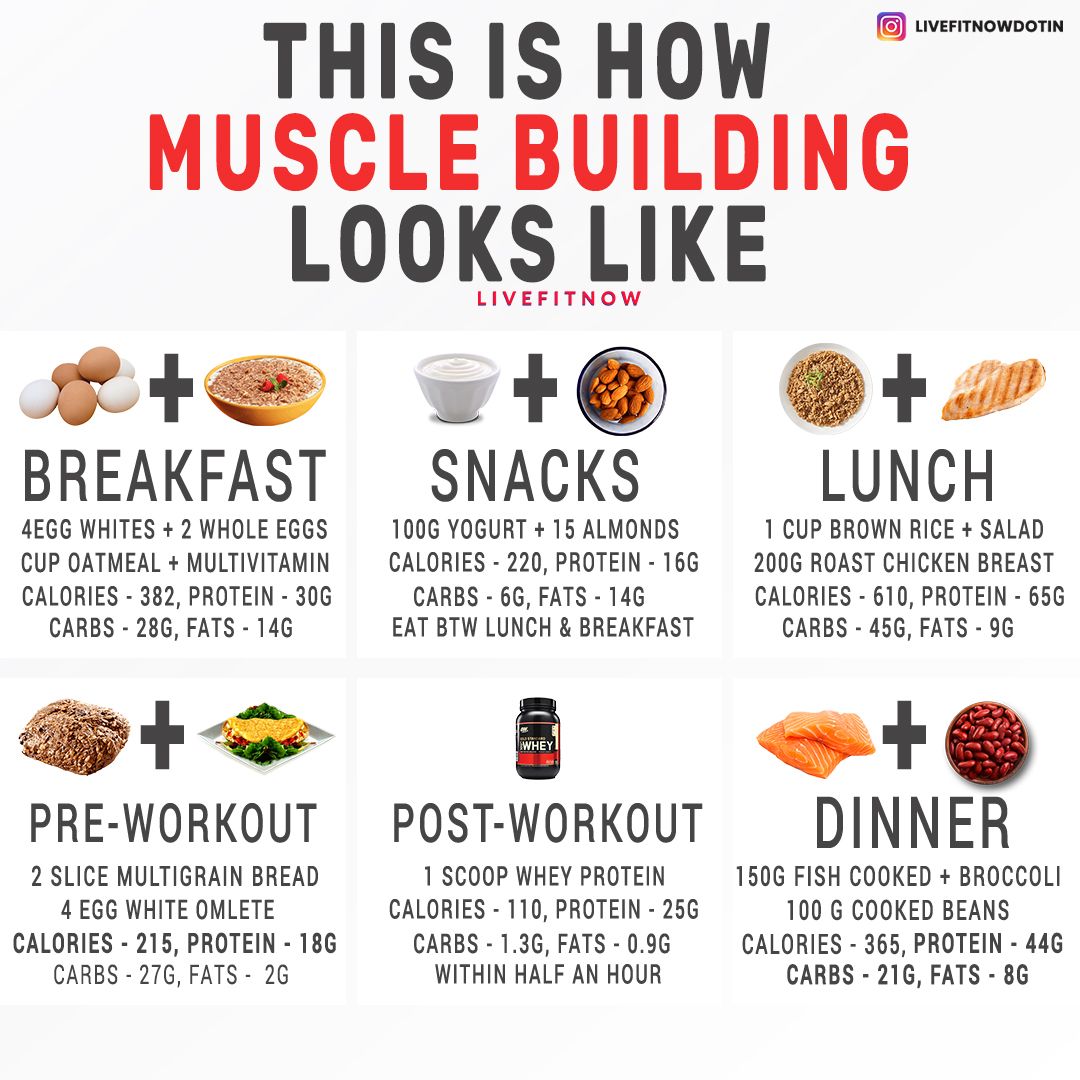
- Egg white omelette with spinach and tomatoes
- Grilled chicken breast with steamed asparagus
- Greek yogurt with berries and almonds
- Turkey lettuce wraps with avocado
- Salmon with quinoa and roasted vegetables
These protein-rich meal ideas can help you meet your protein requirements while following the HCG diet plan and support muscle development effectively.
Monitoring Progress
Monitoring your progress while building muscle on an HCG diet plan is crucial for tracking your success and making adjustments as needed. By keeping an eye on changes in your body composition, you can ensure that you are on the right track to achieving your muscle-building goals.
Methods for Tracking Muscle Gain
- Take regular body measurements: Keep track of your chest, arms, waist, hips, and thigh measurements to monitor changes in muscle size.
- Use progress photos: Take photos of yourself from different angles to visually see changes in muscle definition and size over time.
- Track strength gains: Record your performance in the gym by noting the weights you lift and the number of reps you can do. Progress in strength often correlates with muscle growth.
Significance of Monitoring Changes in Body Composition
Monitoring changes in body composition allows you to differentiate between muscle gain and fat loss. This helps you adjust your diet and exercise routine accordingly to optimize muscle growth while minimizing fat gain.
Tools or Techniques to Assess Muscle Growth
- Body fat calipers: Use calipers to measure skinfold thickness at various body sites to estimate body fat percentage and track changes in muscle mass.
- Dual-energy X-ray absorptiometry (DEXA) scan: This medical imaging technique provides a detailed analysis of body composition, including bone density, muscle mass, and fat mass.
- Bioelectrical impedance analysis (BIA): BIA devices estimate body composition by measuring the resistance of electrical currents through the body. While not as precise as DEXA, it can still give you a general idea of muscle growth.
General Inquiries
Is it possible to build muscle effectively on an HCG Diet Plan?
Yes, it is possible, but it requires careful planning and attention to nutrition and exercise.
How can I ensure I get enough nutrients for muscle growth on the HCG Diet Plan?
By incorporating nutrient-dense foods and possibly supplements, you can ensure adequate nutrition for muscle development.
What are some suitable exercises for building muscle while on the HCG Diet Plan?
Exercises like weight training and resistance exercises can be beneficial for muscle growth even on a restricted diet.