

Introduction to National Nutrition Month

National Nutrition Month is an annual campaign that focuses on the importance of making informed food choices and developing healthy eating habits. It serves as a reminder to prioritize nutrition and overall well-being in our daily lives.Raising awareness about nutrition during this month is crucial as it empowers individuals to take charge of their health and make positive changes in their diets.
By promoting the significance of balanced nutrition, National Nutrition Month encourages people to adopt healthier lifestyles and reduce the risk of chronic diseases.The history behind the establishment of National Nutrition Month dates back to 1973 when the Academy of Nutrition and Dietetics initiated the campaign to highlight the importance of nutrition education and healthy eating habits.
Since then, the month of March has been dedicated to raising awareness about nutrition and empowering individuals to make healthier food choices.
Exploring Organic Food
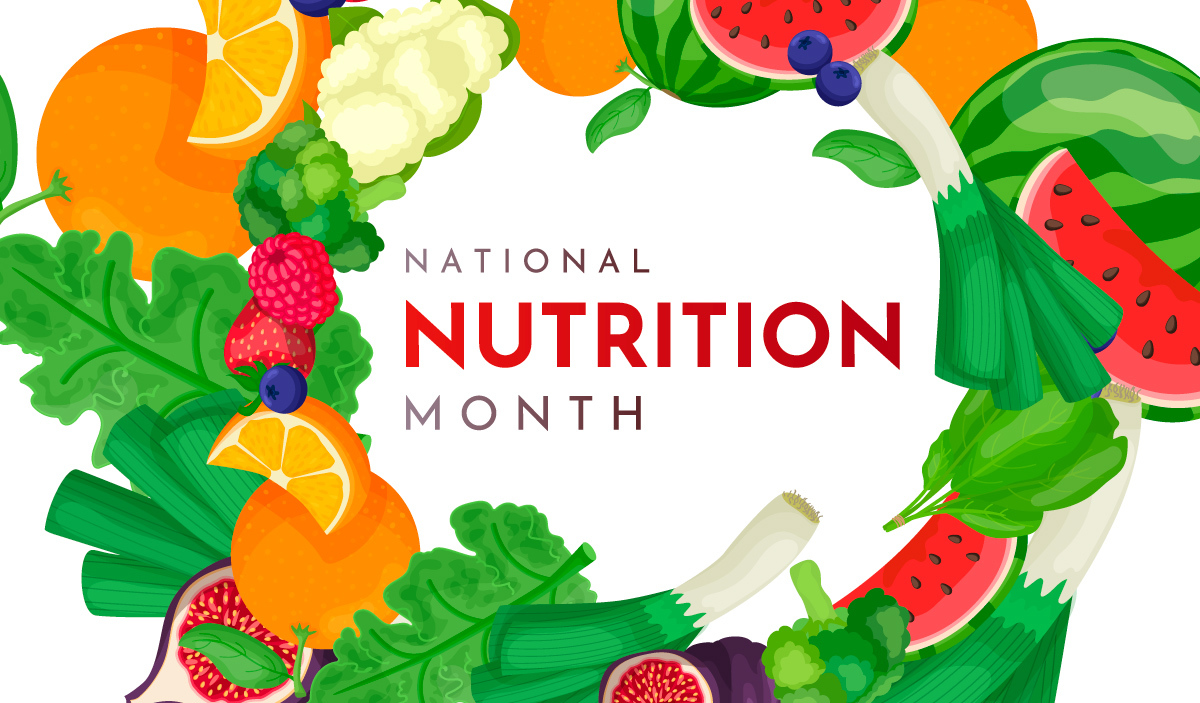
Organic food is produced using methods that do not involve synthetic pesticides, fertilizers, genetically modified organisms (GMOs), or other artificial additives. Instead, organic farming relies on natural processes to enhance soil fertility, control pests, and manage weeds.When comparing organic and conventional food in terms of nutritional value, studies have shown that organic produce tends to have higher levels of certain nutrients, such as antioxidants, vitamins, and minerals.
Additionally, organic meat and dairy products are often found to have higher levels of beneficial omega-3 fatty acids.Consuming organic food can offer various health benefits. Since organic farming practices avoid the use of synthetic chemicals, organic food is less likely to contain pesticide residues, which can have harmful effects on human health.
Furthermore, organic food is often fresher, as it is typically grown closer to where it is sold, preserving its nutrient content and flavor.
Benefits of Consuming Organic Food
- Reduced exposure to pesticides and chemicals
- Higher nutrient content
- Supports environmental sustainability
- Improved taste and freshness
Understanding Earth Energy
Earth Energy, in the context of organic farming, refers to the natural energy and nutrients present in the soil that are essential for plant growth and development. This energy comes from the earth's natural processes and cycles, providing organic produce with the necessary elements for optimal growth.
Contribution to Nutritional Quality
Earth Energy plays a crucial role in enhancing the nutritional quality of organic produce. The rich and diverse nutrients present in the soil, such as minerals, vitamins, and trace elements, are absorbed by plants during their growth. This absorption leads to the development of fruits and vegetables that are not only flavorful but also packed with essential nutrients beneficial to human health.
Environmental Benefits
Harnessing Earth Energy in agriculture through organic farming practices offers numerous environmental benefits
Benefits of Organic Earth Energy
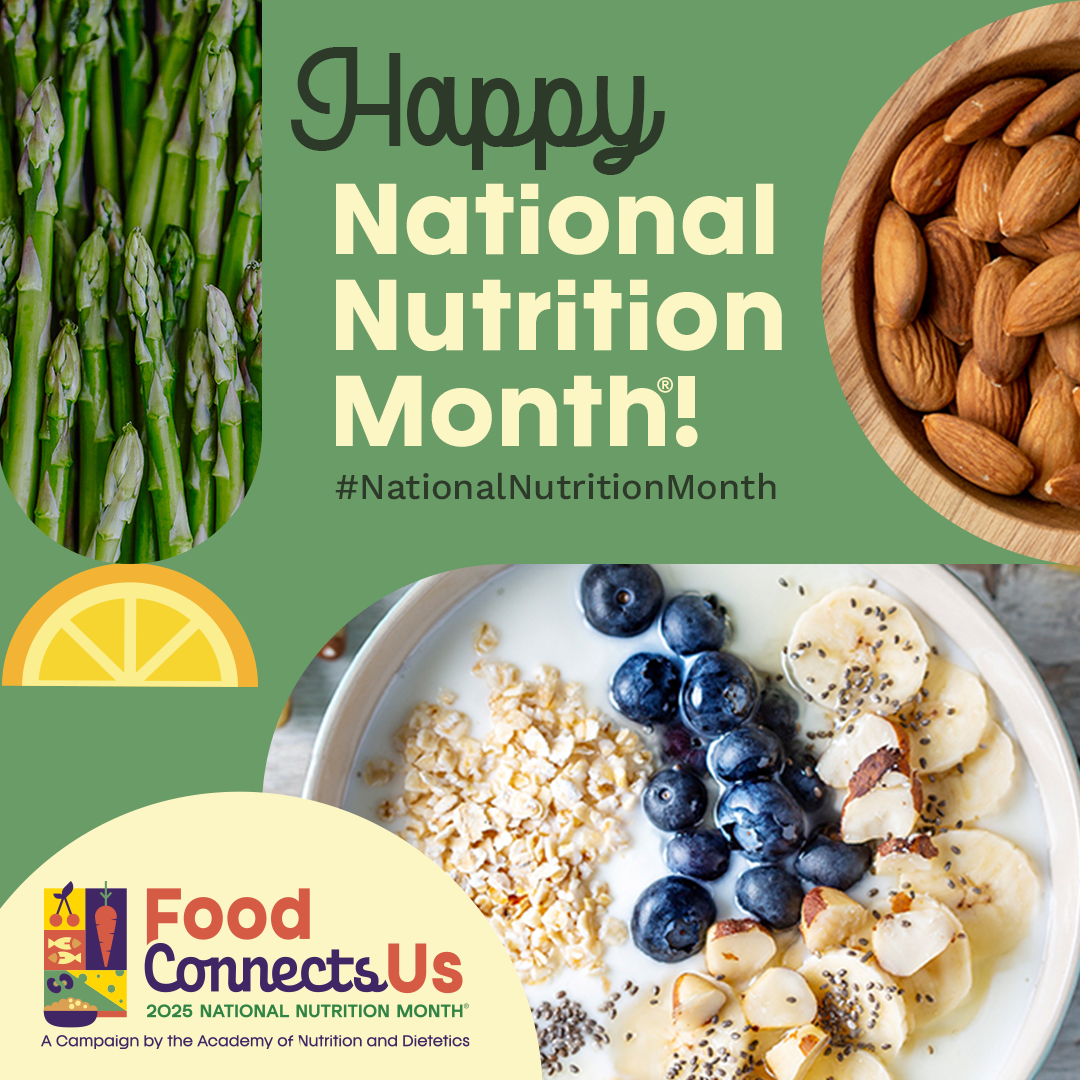
Organic Earth Energy plays a crucial role in promoting not only the health of individuals consuming organic food but also in sustaining the health of our planet. Let's delve into the numerous benefits associated with Organic Earth Energy.
Health Benefits of Consuming Organic Food
- Organic food is free from harmful chemicals and pesticides, reducing the risk of health issues such as cancer, hormonal disruptions, and neurological disorders.
- Organic produce is richer in essential nutrients like vitamins, minerals, and antioxidants, which can support overall health and well-being.
- Consuming organic food may also lead to improved digestion, better immune function, and increased energy levels.
Impact on Soil Health and Biodiversity
- Organic farming practices enhance soil fertility and structure, promoting the growth of beneficial microorganisms that contribute to soil health.
- By avoiding synthetic chemicals, organic farming helps preserve soil biodiversity, including earthworms, insects, and other organisms vital for a healthy ecosystem.
- Organic agriculture also reduces soil erosion, increases water retention, and minimizes pollution of water sources, contributing to overall environmental sustainability.
Sustainable Farming Practices Utilizing Organic Earth Energy
- Crop rotation, cover cropping, and composting are common practices in organic farming that help maintain soil health and fertility.
- Integrating livestock into farming systems can provide natural fertilizers and help control pests without the use of synthetic chemicals.
- Agroforestry, where trees are integrated into agricultural landscapes, can enhance biodiversity, improve soil structure, and sequester carbon from the atmosphere.
Question & Answer Hub
What is National Nutrition Month?
National Nutrition Month is a time dedicated to highlighting the importance of healthy eating habits and nutrition education.
How does Earth Energy contribute to organic farming?
Earth Energy in organic farming refers to the natural energy sources that enhance the nutritional quality of produce and promote environmental sustainability.
What are the health benefits of consuming Organic Earth Energy-grown food?
Consuming food grown with Organic Earth Energy can lead to better overall health due to its nutrient-rich content and sustainable farming practices.